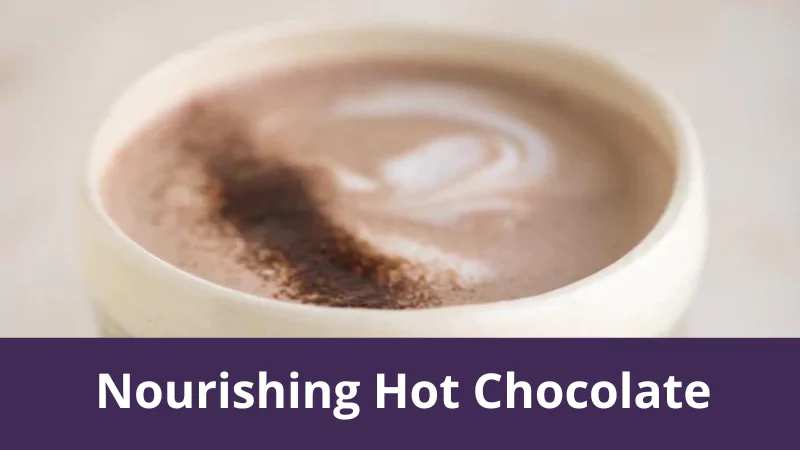
Nourishing Hot Chocolate

Nourishing Hot Chocolate

Share This Post

Ingredients:

Serves 2

  • 1 1/2 cups (350 ml) milk (your choice of almond, coconut, rice or oat milk)
  • 1 cup (250 ml) water
  • 1 heaped tablespoon hot chocolate
  • 1 heaped tablespoon of collagen peptides
  • 1 teaspoon raw honey, maple syrup or stevia (optional)

Method:

  1. Combine milk, water, hot chocolate, collagen into a small pot.
  2. Heat gently until dissolved.
  3. Pour into serving mugs and enjoy.
  4. Sweeten to taste if you like.NOTES AND INSPIRATION
    Add 1/2 teaspoon Chai Latte for added spice.
This recipe is sourced from The Healthy Chef

Related Posts

MTHFR

Electricsense Podcast: Do You Have A Genetic Disposition That Makes You More Susceptible to EMF Exposures?

Interview – Genetic susceptibility and EMFsListen to my interview with Dr. Carolyn Ledowsky and discover: How, according to Carolyn’s research, some people have a genetic ...
Read More →
Alzheimer’s disease
Conditions

Alzheimer’s disease

What is Alzheimer’s Disease? Alzheimer’s Disease is the most common form of dementia, and accounts for around two-thirds of dementia cases.  It causes a gradual ...
Read More →
Haddock in Tomato and Basil Sauce
MTHFR

Haddock in Tomato and Basil Sauce

This delicious recipe sourced from the Iodine global network contains 324 mcg of iodine SERVES 4 Ingredients 400g x 1 can tomatoes, canned, whole contents ...
Read More →
Epilepsy
Conditions

Epilepsy

What Is Epilepsy Epilepsy is a neurological disorder marked by sudden recurrent episodes of sensory disturbance, loss of consciousness, or convulsions, associated with abnormal electrical ...
Read More →
Erectile Dysfunction
Conditions

Erectile Dysfunction

What is Erectile dysfunction? Erectile dysfunction is the inability to achieve or sustain an erection suitable for sexual intercourse. Causes include medications, chronic illnesses, poor ...
Read More →
Foods High in Oxalates: How Much is TOO MUCH?
MTHFR

Foods High in Oxalates: How Much is TOO MUCH?

What are oxalates? Oxalate is produced as an end-product of metabolism of vitamin C, as well as of fructose and the amino acids serine and ...
Read More →
Scroll to Top
Dr. Carolyn Ledowsky

Stay Connected!

Sign up for our monthly newsletter with current MTHFR research, health tips, recipes, special offers and news about upcoming events including Carolyn’s live Q&A.

Subscribe