Watermelon Lemonade

Watermelon Lemonade

Share This Post

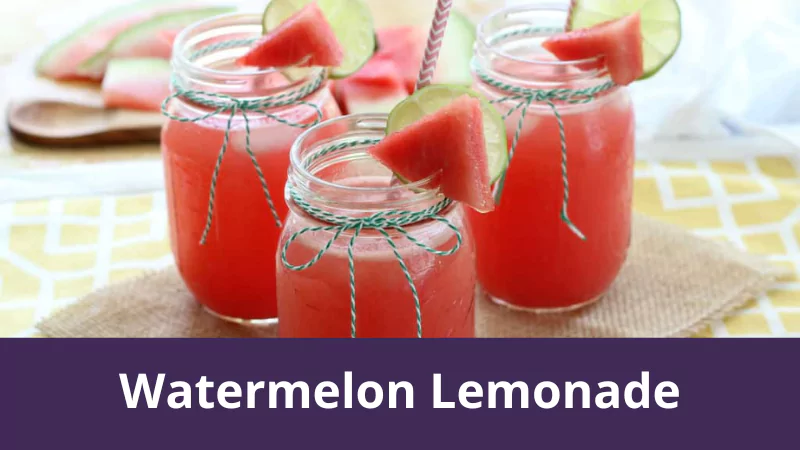
This Watermelon Lemonade is delicious and refreshing on a hot summer day. Plus, this fruit is one of the best oxygen rich foods, with only 4 ingredients, it’s easy to make so you can get back to relaxing!

Ingredients

  • 4 cups watermelon,, chopped
  • 1 1/2 cups lemon juice
  • 1/2 cup sugar (or Honey)
  • 6 cups cold water

Instructions

  1. Blend together chopped watermelon and lemon juice in blender until very smooth.
  2. Pour into large pitcher. Add sugar or honey and cold water and stir well.
  3. Pour over ice and enjoy!

Nutrition

Calories: 129kcal | Carbohydrates: 34g | Sodium: 2mg | Potassium: 211mg | Sugar: 29g | Vitamin A: 690IU | Vitamin C: 38.2mg | Calcium: 13mg | Iron: 0.3mg
This recipe is sourced from Belle of the Kitchen

Related Posts

Key toxins that affect our biochemistry
Genes

Key toxins that affect our biochemistry

Toxins are the poisonous substances which, when introduced into the body of any organism can cause adverse effects or disturbances in the body. Various toxins ...
Read More →
MTHFR and Polycystic Ovarian Syndrome (PCOS)
MTHFR

MTHFR and Polycystic Ovarian Syndrome (PCOS)

Is there a link between Polycystic Ovarian Syndrome (PCOS) and MTHFR gene mutations? Some women are unfortunate enough to have Polycystic Ovarian Syndrome or PCOS ...
Read More →
Conditions

The Essential First Steps for Assessing Patients Using Genetic, Blood, and Organic Acid Tests

Integrating genetic, blood, and organic acid testing into patient care can provide profound insights into an individual’s health. However, to make the most of these ...
Read More →
Bisphenol A: Why It’s Bad and How to Avoid It
MTHFR

Bisphenol A: Why It’s Bad and How to Avoid It

Bisphenol A: BPA or Bisphenol A is a common chemical found in plastics and has been in large scale industrial use since the 1960’s. This chemical ...
Read More →
Fertility

Bisphenol A: Why It’s Bad and How to Avoid It

BPA or Bisphenol A is a common chemical found in plastics and has been in large scale industrial use since the 1960’s. This chemical is ...
Read More →
Blood Clotting
Conditions

Blood Clotting

What Is Blood Clotting? Some people are born with an increased tendency to form blood clots, which increases their risk for developing blood clots in ...
Read More →
Scroll to Top
Dr. Carolyn Ledowsky

Stay Connected!

Sign up for our monthly newsletter with current MTHFR research, health tips, recipes, special offers and news about upcoming events including Carolyn’s live Q&A.

Subscribe