DIY Homemade Liquid Hand Soap

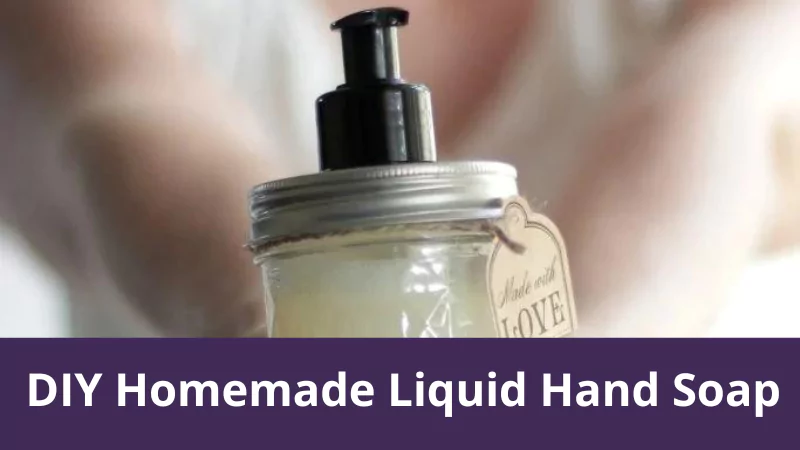
DIY Homemade Liquid Hand Soap

Share This Post

Ingredients:

  • 1/2 cup castile soap liquid
  • 1/2 cup distilled water
  • 1 Tbsp Vitamin E oil (optional)
  • 1 Tbsp sweet almond oil or olive oil or jojoba oil (optional)
  • 15 drops tea tree essential oil
  • 5-10 drops lavender essential oil

Method:

  1. In a mason jar or recycled soap dispenser, add the water first (to prevent bubbles) then the liquid castile soap, followed by the oils.
  2. Shake the ingredients together.
  3. Shake the soap dispenser before using, then squirt a small amount on your hands as needed, rinsing with water.

This hand soap recipe is sourced from Live Simply

Related Posts

Multiple Sclerosis (MS)
Conditions

Multiple Sclerosis (MS)

What Is Multiple Scelerosis? Multiple sclerosis or MS is a disease that affects the brain and spinal cord, resulting in loss of muscle control, vision, ...
Read More →
The Whole Food Energy Boost Cleanse Smoothie
MTHFR

The Whole Food Energy Boost Cleanse Smoothie

This smoothie is packed with protein, fiber and healthy fats; a perfect combination to keep you full all morning long. The combination of ingredients is ...
Read More →
Conditions

The Role of Reverse T3 in Thyroid Dysfunction: A Practical Guide for Practitioners

The Role of Reverse T3 in Thyroid Dysfunction: A Practical Guide for Practitioners Reverse T3 (rT3) plays a crucial role in thyroid health, often serving ...
Read More →
Autism and Low Glutathione Levels
Genes

Autism and Low Glutathione Levels

The role of glutathione Even though involvement of genetic abnormalities in autism spectrum disorders (ASD) is well-accepted, recent studies point to an equal contribution by ...
Read More →
Low Homocysteine Levels: What are The Consequences?
MTHFR

Low Homocysteine Levels: What are The Consequences?

Low Homocysteine Levels: What are The Consequences? Homocysteine is an amino acid derivative that serves as an intermediate in the synthesis of methionine and cysteine. ...
Read More →
Fertility

Bisphenol A: Why It’s Bad and How to Avoid It

BPA or Bisphenol A is a common chemical found in plastics and has been in large scale industrial use since the 1960’s. This chemical is ...
Read More →
Scroll to Top
Carolyn Ledowsky

Stay Connected!

Sign up for our monthly newsletter with current MTHFR research, health tips, recipes, special offers and news about upcoming events including Carolyn’s live Q&A.

Subscribe