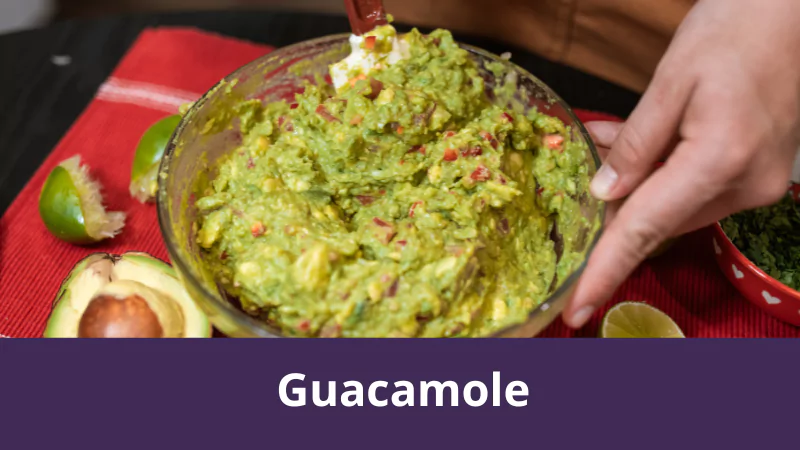
Guacamole

Share This Post

Ingredients:

  • 2 medium avocados
  • 1.2 medium lemon, juiced
  • 1 clove garlic, crushed
  • A little freshly cracked black pepper

Method:

  1. Place all ingredients in a food processor and mix until smooth. It is also easy to make by hand – simply mash the avocado well with a potato masher or fork and add other ingredients.
  2. Refrigerate and use as a spread, dip for vegetable sticks or add to salads. It should not be made too long before eating, otherwise it can go brown.
  3. Alternatively add some lemon juice to cover the top of the guacamole to prevent it from going brown.
  4. Serve and eat with organic corn chips, gluten free biscuits or home made crisps.

PRINT THIS RECIPE!

 

Related Posts

Conditions

The Essential First Steps for Assessing Patients Using Genetic, Blood, and Organic Acid Tests

Integrating genetic, blood, and organic acid testing into patient care can provide profound insights into an individual’s health. However, to make the most of these ...
Read More →
How to best understand your genetics
Genes

How to best understand your genetics

Genetics is about studying how the genes are passed down from parents to their children. These genes are not only responsible for expressing specific traits ...
Read More →
Fertility

What Is Glyphosate And How Can It Affect Our Health

Roundup is a popular brand of herbicide by Monsanto and has been making rounds not because of how great a product it is but because ...
Read More →
Haddock in Tomato and Basil Sauce
MTHFR

Haddock in Tomato and Basil Sauce

This delicious recipe sourced from the Iodine global network contains 324 mcg of iodine SERVES 4 Ingredients 400g x 1 can tomatoes, canned, whole contents ...
Read More →
Schizophrenia
Conditions

Schizophrenia

What is Schizophrenia? Schizophrenia is a sever mental disorder (or group of disorders) characterised by a disintegration of the process of thinking, of contact with reality, ...
Read More →
Foods High in Oxalates: How Much is TOO MUCH?
MTHFR

Foods High in Oxalates: How Much is TOO MUCH?

What are oxalates? Oxalate is produced as an end-product of metabolism of vitamin C, as well as of fructose and the amino acids serine and ...
Read More →
Scroll to Top
Carolyn Ledowsky

Stay Connected!

Sign up for our monthly newsletter with current MTHFR research, health tips, recipes, special offers and news about upcoming events including Carolyn’s live Q&A.

Subscribe