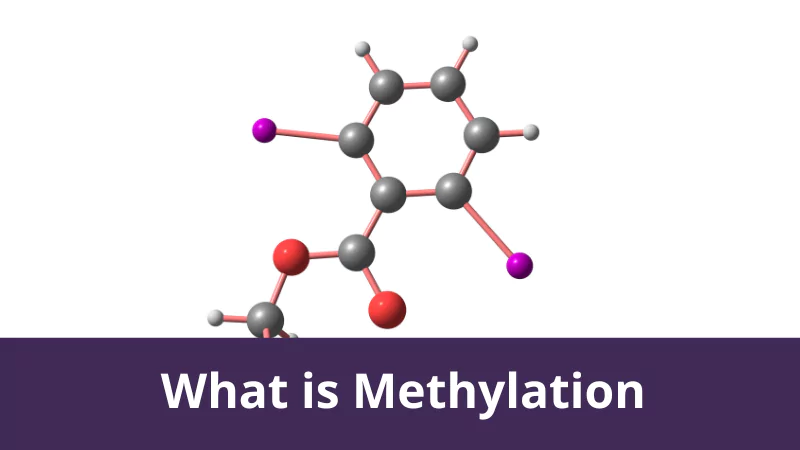
Methylation, the process of activating a molecule through the addition of a methyl group, is required to ensure the proper functioning of metabolic pathways and efficient enzyme activity. Methylation is important in numerous biochemical reactions in the body that control vital processes, such as the regulation of gene expression. Methylation is, essentially, the on/off switches of the body – where countless molecules and processes can be activated, or deactivated, to perform a function, or to allow a reaction to occur. A mutation in the MTHFR gene could result in defective or insufficient MTHFR enzyme, which may affect methylation. A lack of methylation can cause metabolic disorders and poorer levels of health. DNA, RNA, proteins and lipids require methylation in order to function properly
Methylation and MTHFR
Insufficient or ineffective MTHFR enzyme can result in a decrease in methylation, leading to a lack of active folate and folate conversion. Similarly, low folate means less conversion into methyl groups that further methylate molecules within the cell, thus causing a build-up of toxic chemicals and heavy metals. Furthermore, the C667T homozygous mutation of the MTHFR gene results in an increase of homocysteine. High levels of homocysteine that cannot be converted into methionine is dangerous to the body. Chronic disease resulting from a lack of methylation, lack of enzymes, or abundance of metabolic intermediates is common. Chronic fatigue is one such example, where MTHFR mutations may cause lowered ATP production. Some symptoms of histadelia include:
- Obsessive compulsive tendencies
- Frequent headaches
- Several phobias
- Chronic depression
- Suicidal thoughts
- Addictions
- Delusions
- Social isolation
- Bulimia
However, over-methylation (histapenia) can also occur. Histapenia is the abundance of methyl groups, resulting in high levels of serotonin and dopamine – which can cause psychological issues. The following are possible symptoms of histapenia
- Frustration
- Dry skin
- Hyperactivity
- Anxiety
- Sleep disorders
- Restless legs
- Low motivation
- Depression
The Methylation cycle
The methylation cycle includes several genes and enzymes that play important roles in numerous metabolic pathways. Key genes responsible for the enzymes involved in the methylation cycle include the following:
- MTHFR gene: Responsible for the production of methylenetetrahydrofolate reductase, the enzyme involved in the conversion of 5,10 – methylenetetrahydrofolate to 5 – methylenetetrahydrofolate.
- BHMT gene: This gene encodes for the production of the betaine-homocysteine methyltransferase enzyme. The BHMT enzyme is involved in the transfer of a methyl group to form methionine from homocysteine. BHMT can also produce methionine from choline and TMG as a backup pathway from the liver and kidneys.
- CBS gene: Encodes for the production of cystathionine-β-synthase. Through the transsulfuration pathway, the CBS enzyme catalyzes the conversion of the amino acids homocysteine and serine into cystathionine, in the presence of sufficient vitamin B6, which is then converted into cysteine and glutathione.
- MTR gene: Responsible for making methionine synthase, an enzyme involved in the synthesis of methionine from homocysteine, with vitamin B12 as a cofactor.
- MTRR gene: The MTRR gene produces methionine synthase reductase, resulting in the production of SAM and electrons – necessary for adenosine triphosphate (ATP) formation in the mitochondria.
What if I have a mutation in the MTHFR gene?
Well it’s important to know that just because you have a gene mutation, it doesn’t mean that you will have any issues. However, we see hundreds of people that have severe chronic disease, anxiety, depression and so we know that in all likelihood the gene is expressing (causing symptoms). So what we do is work in restoring the metabolic pathways that the gene/genes are hindering. Often by assisting things to run better your body can heal.
How can I check for this gene?
There are a few ways:
- You can ask your Dr for a referral for an MTHFR gene test. Make sure you are asking for both variants ie: MTHFR C677T and MTHFR A1298C.
- You can ring MTHFR Support Australia and we can send you the referral. You have a choice of a buccal swab (mouth swab) – this is ideal for children, or you can get a blood test.
- You can do a more extensive DNA test. You can speak to your practitioner about this when you see them for the first time
When I have my results what do I do?
You can ring MTHFR support Australia on 1300 692 260 and request an appointment. We have many practitioners who only work with MTHFR and methylation so you will be in good hands. We also have specialist Pregnancy practitioners if you are wanting pre-conception support.
Where can I find more information?
You can visit our website www.mthfrsupport.com.au for videos, presentations and general information. We also have free information nights every month so please feel free to join us. You can book into these from the home page of the website or call our reception staff on 1300 692 260. You can bring as many family members and friends as you like as long as there are spaces available.
References
https://doctordoni.com/2015/03/understanding-the-methylation-cycle-and-its-effect-on-health/