Bisphenol A:
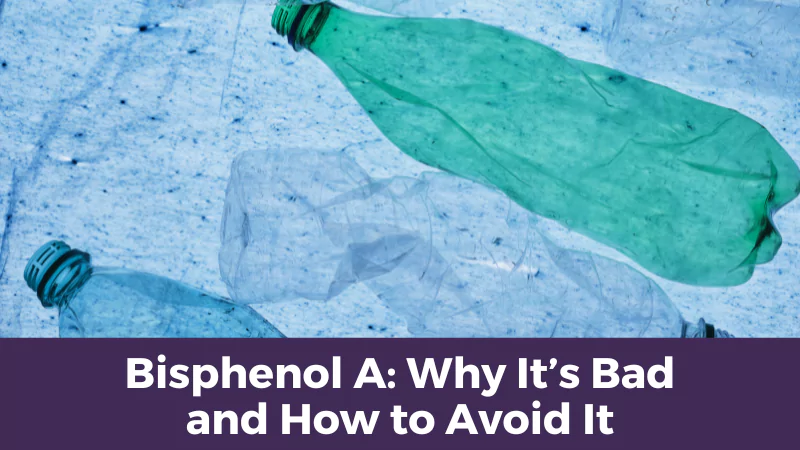
BPA or Bisphenol A is a common chemical found in plastics and has been in large scale industrial use since the 1960’s.
This chemical is found primarily in two substances – polycarbonate plastics and epoxy resins, with consumers then exposed to BPA via using plastic storage containers, drinking from plastic water bottles, eating foods wrapped or stored in plastics, receiving dental sealant to prevent tooth decay, eating canned goods (BPA coats the inside of cans) and also via bottle tops, water supply lines and paper receipts.
BPA poses a threat to our health as it a synthetic xeno-oestrogen, a compound that mimics or imitates oestrogen in the body. As we are widely exposed to this chemical in our modern day diets, lifestyles and environments, BPA has shown the power to enter the body and disrupt the hormonal balance in both males and females.
This has huge implications for fertility, with in utero exposure to BPA (or similar compounds) linked with developmental, behavioral and reproductive abnormalities in the fetus, infant, and children.
A recent analysis of data found BPA to affect the brain development and sexual differentiation and behaviour of offspring exposed to BPA at environmentally relevant doses. Genes encoding oestrogen receptors were altered, as were parts of the cortex (in males) and hypothalamus (in females) in the brain.
Overall, the research suggested BPA was having an effect on the health of offspring and children exposed to BPA, leading to changes in social behaviour, and a reduction in sexual dimorphism, or, obvious differences in appearance between males and females.
Source
While BPA affects both men and women, due to its oestrogenic effect, the impact of prolonged exposure can carry an increased risk for men. Higher BPA levels have demonstrated a 20% reduction in fertility in men and a negative impact on the prostate of male infants.
Source 1 | 2
It is also important to note that purchasing and using ‘BPA Free’ products does not shield consumers from the negative effects of this xeno-oestrogen, with BPS, the compound used to commonly replace BPA in ‘BPA Free’ products, having a similar effect on the body.
Types of Bisphenols/ xeno-oestrogens in plastics:
Bisphenol A: most common bisphenol. Also known as:
2,2′-bis(4-(2,3-epoxypropoxy)phenyl)propane = 2,2′-[(1- 3 2 methylethylidene)bis(4,1-phenyleneoxymethylene)]bisoxirane
2,2-Bis(4-hydroxyphenyl)propan = 4,4′-isopropylidenediphenol
Bisphenol S: compound commonly used to simply replace BPA in ‘BPA-free’ products.Also disrupts the endocrine system. It’s chemical/ alternative name:
4,4′-sulfonylbisphenol,bis(4-hydroxyphenyl)sulfone
Bisphenol B, C, E, F, G, M, P, PH: other oestrogen mimicking chemicals in plastics and resins.
TMC and Z: other oestrogen mimicking chemicals in plastics and resinsList of
List of BPA-containing products to avoid:
- Hard plastic sports bottles
- Plastic food storage containers
- Food wrap/ cling wrap
- Baking paper
- Hard and flexible packaging
- Deli/takeaway containers
- Plastic bags
- Baby bottle components (nipple, ring, liner, bottle etc)
- Plastic dinnerware and plates
- Non-stick cookware
- Plastic cleaning products
- Thermal receipt paper/receipts
- Plastic based appliances – kettle, food processor, blender etc.
- Canned food
- Canned drinks – alcohol and soft drinks
- Tissue paper and toilet paper
- Children’s toys (plastic containing)
List of alternative BPA-free options:
- Stainless steel/glass water bottles
- Ceramic plates and dishes
- Glass or stainless steel storage containers
- Food jars to store pantry staples
- Unbleached wax baking paper
- Silicone baking paper
- Anything made from wool, cotton, hemp or plastic-free, biodegradable fibers
- Plastic-free cleaning products
- Stainless steel or cast iron cookware
- Glass blender
- Glass or stainless steel kettle
- Stainless steel ice-cube tray
- Recycled toilet paper
- Bar soap
- Reusable material shopping bags
- Stainless steel or silicone straws
- Reusable food wraps (over cling wrap)
- BPA free cans
- Muslin or cotton bags for produce
- Paper bags for sandwiches/ lunchboxes
It is important to remember that those with the MTHFR gene are particularly vulnerable to the negative effects of BPA exposure, as one of the primary organs affected by the mutation is the liver, with levels of our primary antioxidant, glutathione, then depleted/ reduced. For anyone with a positive MTHFR mutation, it is paramount to support liver function, phase II detoxification pathways especially. As products containing BPA/plastics only serve to place
As products containing BPA/plastics only serve to place further burden upon the liver, it is especially pertinent to avoid these products and remove them from the home. MTHFR Support Australia recommends removing all/ as many BPA-containing items from your home, and begin making swaps to healthier options that will ensure the health of your genes, methylation and that of your future children to come!