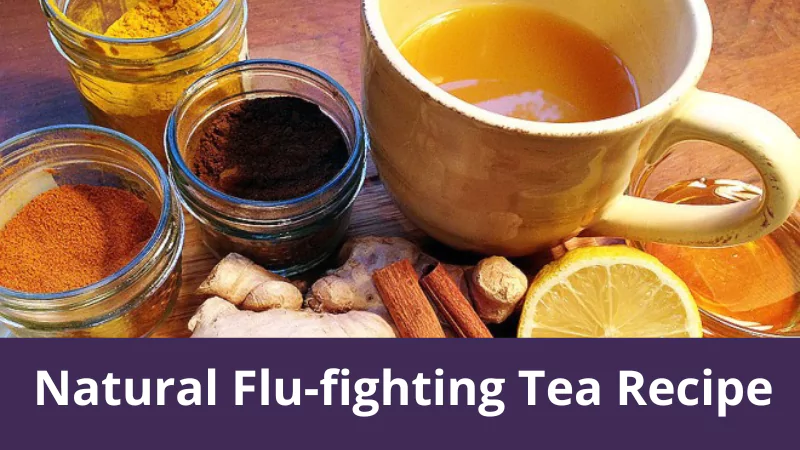
Natural Flu-fighting Tea Recipe

Natural Flu-fighting Tea Recipe

Share This Post

Ingredients:

  • 3 cups of water
  • Juice of half a lemon
  • 1 cinnamon stick
  • 3 slices (3mm thick) of fresh ginger
  • ¼ tsp cloves
  • ½ tbsp turmeric
  • 1 pinch cayenne (start with this and add more to taste…the more you can handle the better)
  • 1 ½ tbsp raw manuka honey (can add more or less to achieve desired sweetness)
  • 1/2 clove garlic, minced (optional)

Natural Flu-fighting Tea Recipe Directions:

1. Add all ingredients (except honey) to a pot and bring to a boil.
2. Once boiling reduce heat and let simmer for about 5 minutes then rest for 5 minutes.
3. Add honey and stir, adding more if necessary.
4. Pour tea through a strainer and drink while warm.
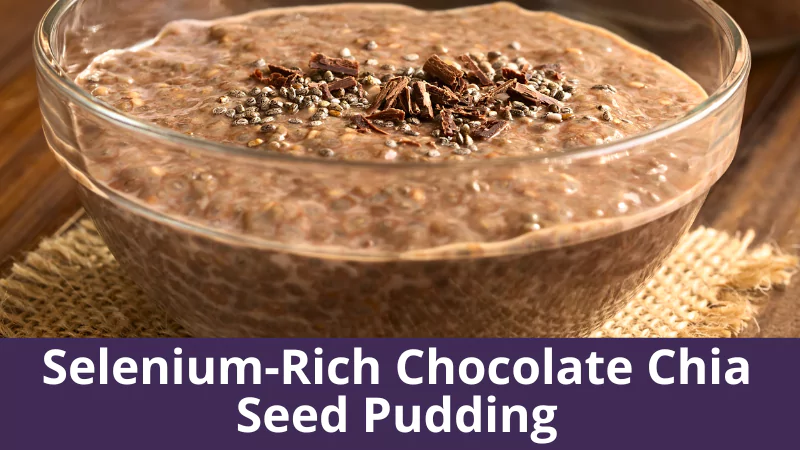
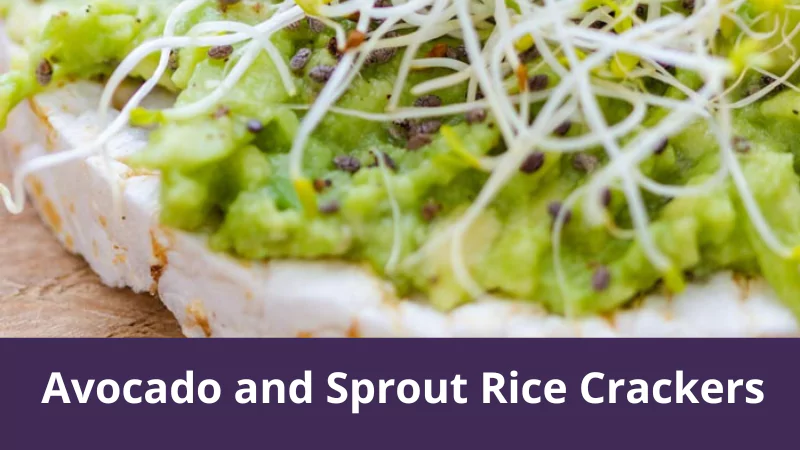
This recipe is sourced from Natural Flu-fighting Tea Recipe

Related Posts

Homocysteine: What is it and how is it related to disease?
Genes

Homocysteine: What is it and how is it related to disease?

Homocysteine (Hcy) is a sulphur-containing amino acid, which is derived during methionine metabolism and this is  the only way it is produced in the body. ...
Read More →
Conditions

How Mould Disrupts Biochemistry, Immunity & Detoxification

How Mould Disrupts Biochemistry, Immunity & Detoxification Understanding the systemic impact of mycotoxins in clinical practice Mould-related illness is often misunderstood as a localised respiratory ...
Read More →
Addictive Behaviour
Conditions

Addictive Behaviour

What Are Addictions? An addictive behaviour is any activity, substance, object, or behaviour that becomes the major focus of a person’s life resulting in a ...
Read More →
Why are foods fortified with folic acid?
MTHFR

Why are foods fortified with folic acid?

When it comes to fertility, we know that folate is one of the most important nutrients needed for miscarriage prevention as it directly impacts the ...
Read More →
Low Homocysteine Levels: What are The Consequences?
MTHFR

Low Homocysteine Levels: What are The Consequences?

Low homocysteine occurs when homocysteine in the bloodstream drops below healthy ranges. This can impact methylation, detoxification, neurotransmitters, and energy production. Low Homocysteine Levels: What ...
Read More →
Conditions

What are SNPs, and why are they important in clinical practice?

What are SNPs, and why are they important in clinical practice? SNPs, or single nucleotide polymorphisms, are the most common type of genetic variation. They ...
Read More →
Scroll to Top
Carolyn Ledowsky

Stay Connected!

Sign up for our monthly newsletter with current MTHFR research, health tips, recipes, special offers and news about upcoming events including Carolyn’s live Q&A.

Subscribe