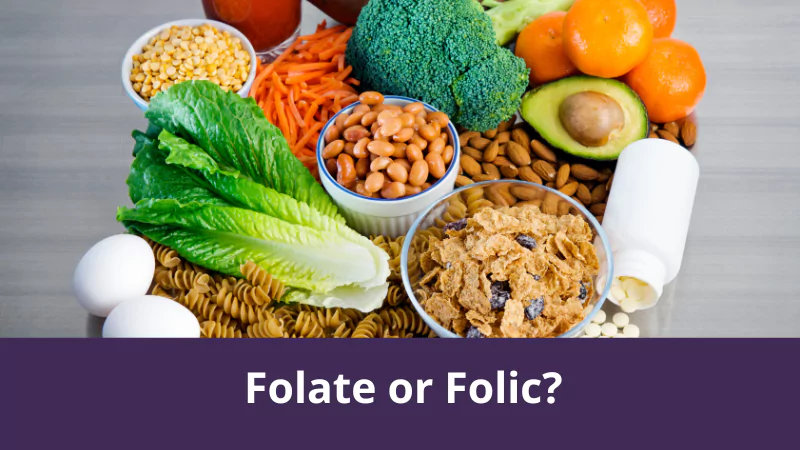
If you have an MTHFR gene variant or a diagnosed MTHFR mutation, your body processes folate, B vitamins, and methylation nutrients differently. The right foods—and the right MTHFR supplements—can significantly improve methylation, energy, detoxification, hormone balance, fertility, and overall wellbeing.
This guide explains the best foods to eat, what to avoid, and which supplements can support (or hinder) the MTHFR pathway.
Why Diet Matters When You Have an MTHFR Mutation
The MTHFR enzyme helps convert folate from food into its active form, methylfolate (5-MTHF). This active folate is essential for:
- methylation (over 200 biochemical reactions)
- detoxification
- DNA repair
- neurotransmitter balance
- healthy pregnancy and fertility
- energy production
- homocysteine regulation
When MTHFR function is reduced, your nutrient requirements increase—especially folate, B12, B2, B6, choline, and magnesium.
Diet comes first, but targeted MTHFR supplements can provide crucial support.
Having an MTHFR mutation is not exactly something you would know about because not many people get tested for it at all. In many of our blogs, we described the MTHFR gene as an enzyme that converts the folate you eat from food into the active form – 5-Methyltetrahydrofolate. Having a mutation greatly affects how much folate your body will be able to metabolize and absorb.
More than folate absorption, the MTHFR gene is also heavily involved in the process of methylation which is responsible for converting homocysteine into methionine, a substance the body needs for proper metabolism and muscle growth and which is needed for glutathione creation. The process of methylation also involves the enzyme from the MTHFR gene, so those with a mutation may have trouble effectively eliminating toxins from the body. Buy MTHFR Test Kit
Building a lifestyle around the MTHFR gene
Those with a MTHFR gene mutation have a highly reduced ability to convert folic acid or even folate into a usable form. Research estimates that as much as half of the population may have an MTHFR gene mutation, though there are many variations of the mutation, depending on how the gene was passed down from the parents.
With that said, if you have an MTHFR mutation you would be doing your body a favor by having a lifestyle that caters to specifically for people diagnosed with a mutation in their MTHFR gene. Though it isn’t possible to change a gene, there are things that can be done to minimize the potential for problems or to help avoid problems in children.
Below are some diet tips as well as other helpful information on how to cope with an MTHFR mutation.
Foods to Eat With an MTHFR Gene Variant
These foods naturally support methylation, detoxification, and folate metabolism.
Folate-Rich Vegetables
- spinach
- kale
- rocket
- silverbeet
- broccoli
- asparagus
- brussels sprouts
- beetroot
Legumes and Plant Proteins
- lentils
- chickpeas
- kidney beans
- black beans
Healthy Fats for Nutrient Absorption
- avocado
- olive oil
- nuts and seeds
Choline-Rich Foods
Choline is essential when methylation is compromised. Excellent sources include:
- eggs (especially yolks)
- liver (if tolerated)
- salmon
- soybeans
Antioxidant-Rich Fruits
- berries
- citrus
- kiwi fruit
- pomegranate
These foods reduce oxidative stress, which often worsens symptoms associated with MTHFR mutations.
Foods to Avoid With MTHFR
Avoid or minimise foods that increase inflammation, hinder methylation, or contain synthetic folic acid.
Processed Foods Fortified With Folic Acid
These are not well metabolised by people with an MTHFR mutation:
- supermarket breads
- cereals
- commercial baked goods
- crackers
- processed grain foods
- energy drinks with synthetic B vitamins
Refined Sugars and White Flours
Increase inflammation and nutrient depletion.
Alcohol
Reduces folate and B12 availability.
Industrial Seed Oils
Increase inflammatory load:
- canola
- soybean
- cottonseed
- sunflower oil (in excess)
- corn oil
Quick Reference Tables for MTHFR Diet & Supplements
Foods to Eat, Foods to Avoid & Supplements to Avoid
| Category | Examples | Why This Matters for MTHFR |
| Foods to Eat | Leafy greens, rocket, kale, spinach | High in natural folate to support methylation. |
| Cruciferous veg: broccoli, brussels sprouts | Support detoxification and hormone clearance. | |
| Legumes: lentils, chickpeas, beans | Provide folate, B vitamins, and fibre. | |
| Avocado, nuts, seeds | Healthy fats + key methylation cofactors. | |
| Eggs | Rich in choline for methylation support. | |
| Beetroot | Supports methyl donors and nitric oxide. | |
| Foods to Avoid | Foods fortified with synthetic folic acid | Difficult to convert; may build up unmetabolised folic acid. |
| Commercial breads and cereals | Usually fortified with folic acid. | |
| Energy drinks with synthetic B vitamins | Poorly absorbed and increase detox load. | |
| Alcohol | Depletes folate, B12, and methyl donors. | |
| Refined sugars & ultra-processed foods | Increase inflammation and methylation demand. | |
| Seed oils | Increase oxidative stress. | |
| Supplements to Avoid | Folic acid (synthetic) | Cannot be converted to 5-MTHF effectively. |
| Cyanocobalamin (synthetic B12) | Harder to activate; choose methylcobalamin instead. | |
| Multivitamins with folic acid | Replace with methylated or folinic-acid versions. | |
| High-dose niacin (unless supervised) | Can “methyl steal” and lower SAMe. | |
| Low-quality B-complex supplements | Often contain synthetic forms that stress methylation. |
FREE Download What is MTHFR eBook
1. Focus on gut health
It is important to focus on gut health so that the body can absorb the nutrients from food as effectively as possible specially when you know your body is unable to use nutrients efficiently. Support your gut with fermented foods and homemade broth. Avoid vegetable oils, processed grains, refined sugars, and even antibacterial soaps.
2. Avoiding toxins in the environment
As mentioned, those with an MTHFR gene defect have an impaired ability to eliminate toxins. Avoid plastics, chemicals in beauty supplies and cleaning products. Even scented candles aren’t good for you since they release harmful chemicals in the air. When cleaning indoor air, use houseplants instead and make sure you filter your drinking and shower water too.
3. Not taking folic acid
Folic acid is the synthetic form of folate that cannot be used by those with a MTHFR defect and which can be very toxic.avoid any supplements with folic acid and only take L-MTHF forms, which are the methylated forms that my body can use. Also take a methyl-B12 which is supposed to help the body use L-MTHF.
4. Eating leafy greens
Dark leafy greens contain the methylated forms of folate that those with a gene defect need. As if we needed more reasons that it is important to consume green veggies. We’re talking about the likes of spinach, kale, bok choy, and Swiss chard. You don’t have to go at grass like a goat, just adding a small portion per meal is good enough.
5. Don’t eat processed foods, eat organic
Many processed foods have synthetic folic acid added as well as how they’re just not healthy for you. Eat hormone free, grass-fed meats, grass-fed butter or ghee, and organic free-range eggs. The key here is to eat something the way nature intended and not how large-scale factories want it.
6. Avoiding heavy metals
Heavy metals in diet or environment are harder to remove from the body for those with a gene defect. Remove mercury amalgams from a trained biological dentist. Avoid aluminum exposure in antiperspirants and cookware. Help remove toxins using liposomal glutathione.
7. Getting folate from natural sources
Nothing beats getting vitamins and minerals from food. According to NutritionData, the best sources of folate per 100 g serving are:
- Beans and lentils (~50% RDI)
- Raw spinach (49% RDI)
- Asparagus (37% RDI)
- Romaine (Cos) lettuce (34% RDI)
- Broccoli (27% RDI)
- Avocado (20% RDI)
- Oranges/Mangoes (~10% RDI)
Research show a folate-rich diet can match the homocysteine-lowering effects of either a regular folic acid or 5-MTHF supplement.
8. Get your homocysteine levels measured
Your body’s ability to convert homocysteine is impaired if you have an MTHFR mutation. If your homocysteine levels are abnormally elevated, it can result in an increased risk of heart attack and stroke. Cognitive impairment, mood disorders, congenital defects and pregnancy complications may all also be significant problems. High homocysteine levels also appear to be correlated with incidences of PCOS. No one agrees on an upper limit for safe homocysteine levels. 5-15 micro mols per liter is thought to be average, but that varies of course from person to person.
If your homocysteine levels are high, supplement with methylcobalamin, vitamin B2, vitamin B6, and of course, 5-MTHF.
9. Have a regular detox
Since your body’s ability to detox properly is impaired, you would be doing it a favor by initiating your own little detox routines. If you don’t detox and your body also has trouble detoxing, the body can become over-burdened by heavy metals such as copper, lead, or mercury, or by environmental toxins like BPA, or by normal body waste like excess estrogen.
Some detox regimens include infrared sauna sessions, Epsom salt baths, and regular exercise or sweating.
10. Supplement with essential nutrients
Nutrients from food are great but if you find yourself unable to procure food rich in nutrients you need then you really have to take something exogenous. Methyl-B12, methyl-folate, TMG, N-acetylcysteine, riboflavin, curcumin, fish oil, Vitamins C, D, E, and probiotics are excellent supplements your body will love more so if you have an MTHFR mutation.
A word of caution: if you are double homozygous for MTHFR mutations, you should advance carefully with methyl-B12 and methyl folate supplementation. Some patients with this type of mutation can’t tolerate high doses. Also, avoid taking high doses of niacin (vitamin B3), which can hinder methylation.
Watch Webinar: Vaccinations and MTHFR for Patients
Best MTHFR Supplements (Practitioner Recommended)
While diet should always come first, many people with an MTHFR mutation benefit from targeted MTHFR supplements. These support methylation, detoxification, energy, pregnancy wellbeing, and homocysteine regulation.
1. Methylated Folate (5-MTHF)
The most bioavailable form of folate.
Supports: methylation, mood, fertility, DNA repair.
2. Active B12 (Methylcobalamin or Adenosylcobalamin)
Works with methylfolate to recycle homocysteine.
Supports: neurological health, energy, methylation.
3. Vitamin B2 (Riboflavin)
Crucial for people with the C677T variant; helps regulate homocysteine.
4. Vitamin B6 (P5P)
Required for neurotransmitter balance and detoxification pathways.
5. Choline or Betaine (TMG)
Reduces stress on the folate cycle by donating methyl groups through alternative pathways.
6. Magnesium & Zinc
Cofactors for hundreds of methylation-dependent enzymes.
7. NAC or Glutathione
Supports detoxification and reduces oxidative stress; often beneficial when methylation is sluggish.
FAQs About MTHFR Diet and Supplements
What supplements should you avoid if you have MTHFR?
Avoid folic acid, cyanocobalamin, and low-quality multivitamins containing synthetic B vitamins. These forms are poorly converted and can interfere with methylation. Choosing methylated, activated MTHFR supplements is safer and more effective.
What is the best diet for MTHFR mutation?
The best diet includes natural folate-rich vegetables, legumes, eggs, nuts, seeds, and antioxidant-rich fruits. Avoid folic acid-fortified foods, refined sugars, alcohol, and inflammatory oils. This supports optimal methylation and homocysteine balance.
What foods should you avoid with MTHFR mutation?
Avoid processed and fortified foods containing synthetic folic acid, high-sugar foods, commercial baked goods, alcohol, and inflammatory seed oils. These increase methylation demand and interfere with folate metabolism.
Should people with MTHFR take folic acid?
No. People with an MTHFR mutation typically cannot convert folic acid efficiently. This can lead to unmetabolised folic acid build-up. Methylated folate (5-MTHF) or folinic acid is preferred.
What is the safest supplement for MTHFR?
The safest options are methylated folate, methylcobalamin, adenosylcobalamin, P5P, riboflavin, choline, and magnesium—ideally tailored by a practitioner who understands your methylation needs.
Takeaway
Building a lifestyle around an MTHFR mutation isn’t really all that difficult as a large part of it is mainly about living a healthy lifestyle filled with a proper diet and a good amount of exercise. Granted those with MTHFR mutations need to be more careful around the use of synthetic substances and products as well as eat more of food that will help them detox and methylate but the adjustment only really looks hard on paper. Once you’re inclined to live a healthy life, these little tweaks aren’t really that much to think about. The key is consistency and awareness plus regular testing.