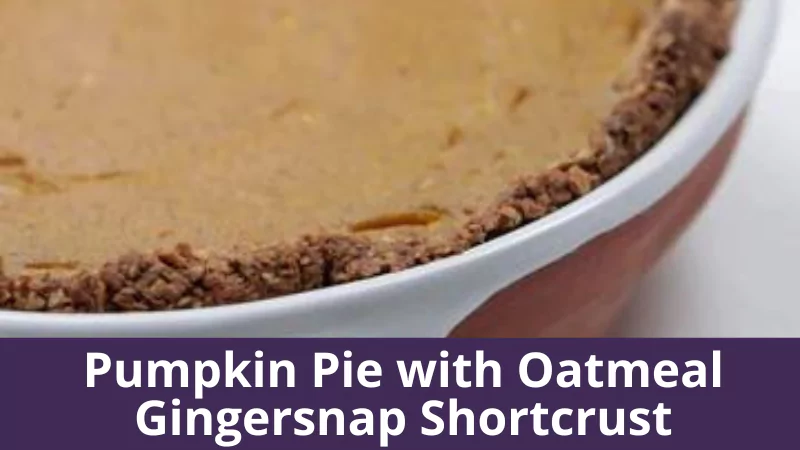
Pumpkin Pie with Oatmeal Gingersnap Shortcrust

Pumpkin Pie with Oatmeal Gingersnap Shortcrust

Share This Post

This recipe is full of potassium-rich pumpkin which helps restore the body’s balance of electrolytes and supports heart and muscle function. Cinnamon helps stabilise blood sugar levels as well as helps to boost brain function.

Ingredients:

Serves 12

Oatmeal Gingersnap Shortcrust  (see notes for gluten free)

  • Use 1 x 20 cm pie tin (7  1/2 inch)
  • 200g (2 cups) organic rolled oats
  • 50 g (1/2 cup) organic desiccated coconut
  • 60 g cultured butter or your choice of (coconut or macadamia nut oil)
  • 2 tbsp organic maple syrup or honey
  • 1 teaspoon vanilla extract
  • 1/4 teaspoon ground ginger or 1 teaspoon fresh grated ginger

Filling

  • 450g (2 cups)  roasted cinnamon pumpkin
  • 3 fresh pitted dates or 2 tablespoons honey or organic maple syrup
  • 3 organic / free range eggs
  • Pinch sea salt
  • 1 tsp ground cinnamon
  • 1/4  teaspoon ground ginger
  • Pinch of nutmeg
  • 1 cup organic coconut or pure cream
  • 1 teaspoon vanilla extract or paste

Method:

  1. Combine crust ingredients into a bowl and mix well until combined. The longer you mix the better as this will achieve a softer oatmeal dough that binds perfectly.
  2. Rest for 15 minutes.
  3. Press your oatmeal crust into a 20 cm pie shell and set aside to prepare the filling.
  4. Blend roasted pumpkin with the dates or honey, eggs, salt, cinnamon, ginger, nutmeg, cream and vanilla.
  5. Pour into your pie shell.
  6. Bake in a preheated 180°C oven for 45 minutes.
  7. Cool for at least 2 hours and enjoy warm or cold.

This recipe is sourced from Healthy Chef
 

Related Posts

Recurrent Miscarriage
Conditions

Recurrent Miscarriage

What is Recurrent Miscarriage/ Pregnancy Loss? Recurrent pregnancy loss is a condition distinct from infertility, and is defined as two or more failed pregnancies. A ...
Read More →
NAC: An Old Drug with New Tricks
MTHFR

NAC: An Old Drug with New Tricks

‘Antioxidant’ is indeed the buzzword of the decade. A google search of the term brings up over 130 million results. We’re sure you’ve heard of ...
Read More →
Is High Folic Acid Intake a Risk Factor for Autism
MTHFR

Is High Folic Acid Intake a Risk Factor for Autism?—A Review

Abstract Folate is required for metabolic processes and neural development. Insuring its adequate levels for pregnant women through supplementation of grain-based foods with synthetic folic ...
Read More →
Bisphenol A: Why It’s Bad and How to Avoid It
MTHFR

Bisphenol A: Why It’s Bad and How to Avoid It

Bisphenol A: BPA or Bisphenol A is a common chemical found in plastics and has been in large scale industrial use since the 1960’s. This chemical ...
Read More →
Histadelia vs. Histapenia
MTHFR

Histadelia vs. Histapenia

Histadelia vs. Histapenia: Does the Pfeiffer protocol always make sense? Understanding Your Histamine Blood Test Results Histamine is most popularly known for its role in ...
Read More →
Genetic Testing: What You Need to Know
Genes

Genetic Testing: What You Need to Know

Genetic Testing: What You Need to Know Genetic testing is the examining of DNA to identify alterations in genes and chromosomes that might be responsible ...
Read More →
Scroll to Top
Carolyn Ledowsky

Stay Connected!

Sign up for our monthly newsletter with current MTHFR research, health tips, recipes, special offers and news about upcoming events including Carolyn’s live Q&A.

Subscribe