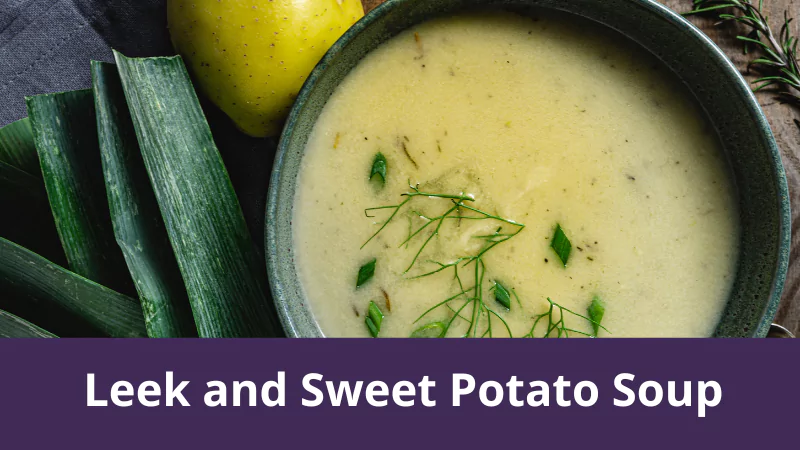
Leek and Sweet Potato Soup

Leek and Sweet Potato Soup

Share This Post

Ingredients:

  • 1 tsp olive oil
  • 1 clove of garlic, crushed
  • ½ tsp thyme leaves
  • 1 small leek, sliced thinly
  • 1 small sweet potato (200g), chopped coarsely
  • 2 cups vegetable stock
  • ½ green onion to serve

Method:

  1. Heat oil in a small saucepan: cook garlic, thyme and leek until soft.
  2. Add potato and stock and bring to the boil. Reduce heat and simmer uncovered for 15 minutes.
  3. Blend or process mixture until smooth and serve topped with onion.

PRINT THIS RECIPE!
 

Related Posts

Low Homocysteine Levels: What are The Consequences?
MTHFR

Low Homocysteine Levels: What are The Consequences?

Low homocysteine occurs when homocysteine in the bloodstream drops below healthy ranges. This can impact methylation, detoxification, neurotransmitters, and energy production. Low Homocysteine Levels: What ...
Read More →
Neural tube defects
Conditions

Neural tube defects

Neural tube defects are a group of congenital abnormalities  caused by failure of the neural tube to form normally. For example, in spina bifida the ...
Read More →
ADD/ADHD
Conditions

ADD/ADHD

What is ADD/ADHD? Attention deficit disorder/attention deficit hyperactivity disorder (ADD/ADHD) is characterised by short or poor attention span and impulsivity, with or without hyperactivity. ADD/ADHD ...
Read More →
Conditions

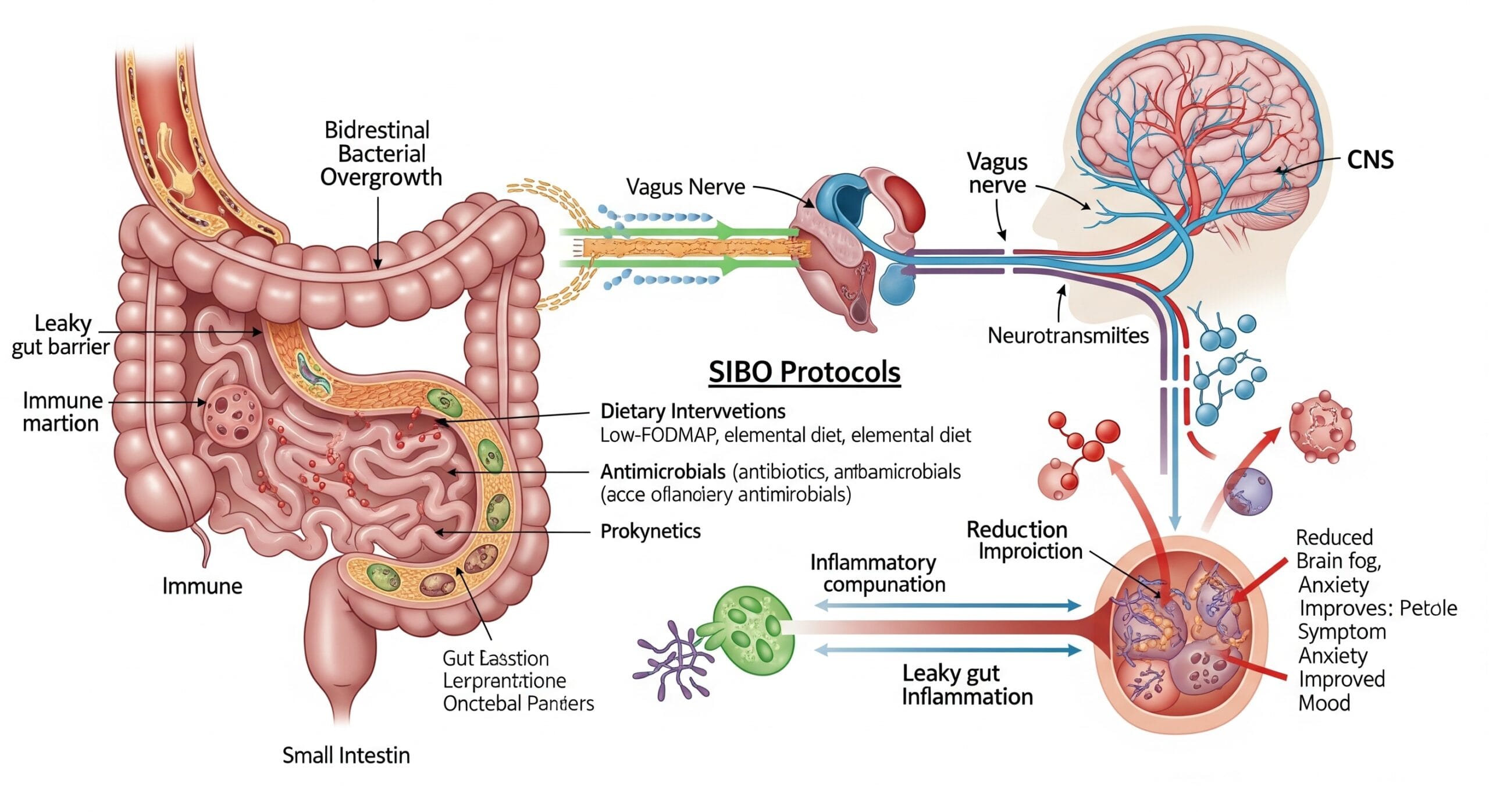
The Gut–CBS Connection: Why Your SIBO Protocol May Be Missing the Mark

As health practitioners, we’re trained to spot the signs of SIBO: bloating, gas, abdominal pain, inconsistent stools, and food sensitivities. And often, we reach for ...
Read More →
Schizophrenia
Conditions

Schizophrenia

What is Schizophrenia? Schizophrenia is a sever mental disorder (or group of disorders) characterised by a disintegration of the process of thinking, of contact with reality, ...
Read More →
Homocysteine: What is it and how is it related to disease?
Genes

Homocysteine: What is it and how is it related to disease?

Homocysteine (Hcy) is a sulphur-containing amino acid, which is derived during methionine metabolism and this is  the only way it is produced in the body. ...
Read More →
Scroll to Top
Carolyn Ledowsky

Stay Connected!

Sign up for our monthly newsletter with current MTHFR research, health tips, recipes, special offers and news about upcoming events including Carolyn’s live Q&A.

Subscribe