Neuropathy

Share This Post

What is Neuropathy?

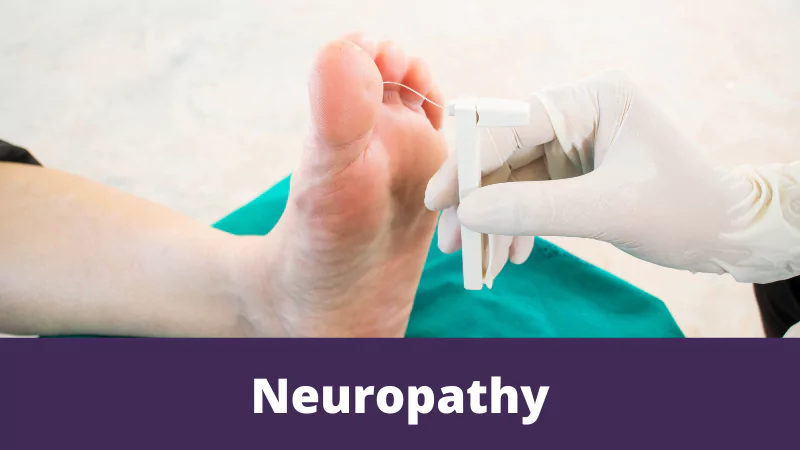
Neuropathy describes any disease involving the peripheral nerves, usually weakness and numbness. It can either affect a single nerve or many nerves, and the symptoms depend on the distribution of the nerves involved.

Research

It is known that Diabetic Peripheral Neuropathy (DPN) is one of the most common chronic complications of diabetes. Therefore, Yigit et al (2013) explored the possible association between the MTHFR C677T mutation and DPN. Results showed differences between the frequency of the C677T were found between the study and control groups, with an association observed between the C677T mutation and a history of neuropathy in these patients.

Article Here


Related Posts

Conditions

The Seizure Vitamin: What PLP Deficiency Teaches Us About the Brain

What vitamin B6’s active form (PLP) reveals about enzyme fidelity, neurological resilience, and why ‘more B6’ isn’t always the right answer. The B Vitamin We ...
Read More →
Genetic Testing: What You Need to Know
Genes

Genetic Testing: What You Need to Know

Genetic Testing: What You Need to Know Genetic testing is the examining of DNA to identify alterations in genes and chromosomes that might be responsible ...
Read More →
Could MTHFR be the Reason for your Pregnancy Complications?
MTHFR

Could MTHFR be the Reason for your Pregnancy Complications?

While the list of disorders associated with MTHFR mutations can be a long and eye-opening one, those conditions involving pregnancy or the ability to fall ...
Read More →
Conditions

Natural Strategies to Lower Thyroid Antibodies

Natural Strategies to Lower Thyroid Antibodies Elevated thyroid antibodies, such as TPO antibodies (thyroid peroxidase) and Tg antibodies (thyroglobulin), are hallmark markers of autoimmune thyroid ...
Read More →
Conditions

How Can I Explain Complex Genomic Information to Patients Without Overwhelming Them?

My Top Tips For Explaining Complex Genomic Information To Patients As a practitioner, explaining complex genomic information to patients can be a challenge. While the ...
Read More →
Conditions

Neurotransmitters 101 — Understanding the Five Key Classes and Their Clinical Relevance

Neurotransmitters are fundamental to how our patients think, feel, sleep, move, and cope with stress. While most clinicians are familiar with serotonin and dopamine, a ...
Read More →
Scroll to Top
Carolyn Ledowsky

Stay Connected!

Sign up for our monthly newsletter with current MTHFR research, health tips, recipes, special offers and news about upcoming events including Carolyn’s live Q&A.

Subscribe