Diabetes

Share This Post

What Is Type 2 Diabetes?

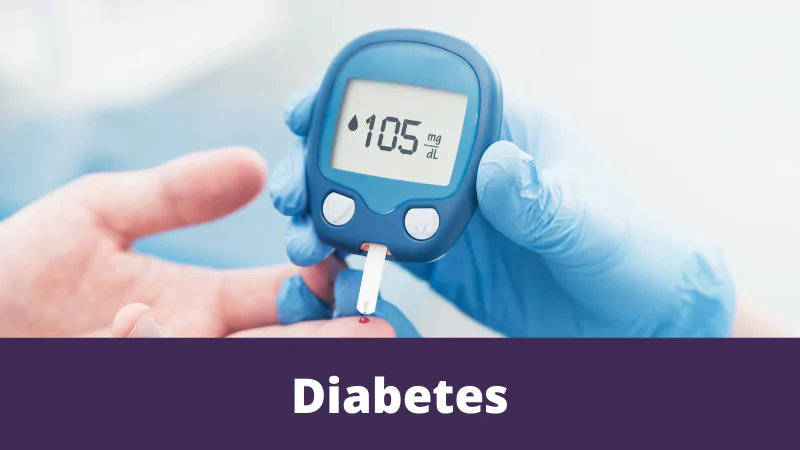
Unlike people with type 1 diabetes, the bodies of people with type 2 diabetes make insulin. But either their pancreas does not make enough insulin or the body cannot use the insulin well enough. This is called insulin resistance. When there isn’t enough insulin or the insulin is not used as it should be, glucose (sugar) can’t get into the body’s cells. When glucose builds up in the blood instead of going into cells, the body’s cells are not able to function properly.

Research

Settin et al (2014) researched the link between mutations in the MTHFR genes and the susceptibility for and complications of Type 2 Diabetes Mellitus (T2DM).

Results showed those with the 677TT and 1298AA mutations were more susceptible to T2DM. Furthermore, these mutations were also found to be risk factors for heart disease and diabetic neuropathys (damage to the nervous system due to high blood sugar).

Article Here

Related Posts

Practitioner Know How – The Methylfolate Myths
Genes

Practitioner Know How – The Methylfolate Myths

Welcome to the first post in our methylfolate ‘know how’ series  The Methylfolate Trap Did you know that the answer to a positive MTHFR mutation ...
Read More →
Conditions

Taurine, Mitochondria, and SNPs: The Overlooked Role of a Sulfur Amino Acid in Mitochondrial Health

How polymorphisms in sulfur and antioxidant pathways may increase mitochondrial stress and taurine demand Introduction Mitochondrial dysfunction is a core feature of many chronic conditions ...
Read More →
Serotonin Facts Worth Sharing With Patients
MTHFR

Serotonin Facts Worth Sharing With Patients

The Many Benefits of Serotonin Serotonin is recognized as the “happy hormone” but many people don’t know much more than that. It can be very ...
Read More →
Schizophrenia
Conditions

Schizophrenia

What is Schizophrenia? Schizophrenia is a sever mental disorder (or group of disorders) characterised by a disintegration of the process of thinking, of contact with reality, ...
Read More →
ADD/ADHD
Conditions

ADD/ADHD

What is ADD/ADHD? Attention deficit disorder/attention deficit hyperactivity disorder (ADD/ADHD) is characterised by short or poor attention span and impulsivity, with or without hyperactivity. ADD/ADHD ...
Read More →
Low Homocysteine Levels: What are The Consequences?
MTHFR

Low Homocysteine Levels: What are The Consequences?

Low Homocysteine Levels: What are The Consequences? Homocysteine is an amino acid derivative that serves as an intermediate in the synthesis of methionine and cysteine. ...
Read More →
Scroll to Top
Carolyn Ledowsky

Stay Connected!

Sign up for our monthly newsletter with current MTHFR research, health tips, recipes, special offers and news about upcoming events including Carolyn’s live Q&A.

Subscribe